


What Is a Request for Evidence or RFE?
Immigration officials from USCIS will go over your application and supporting evidence with a fine-toothed comb when seeking an immigration benefit, such as a Green Card or citizenship. Suppose the officer handling your case decides that your application package is missing initial evidence or that you don’t have enough evidence for them to make a definitive judgment.
In that case, they will send you a request for evidence, which is Form I-797E. When you receive Form I-797E, you will have 30 to 90 days to submit a response to the RFE with the requested information. Presenting all the requested evidence increases the odds of approval.
It’s not unusual to confuse a request for evidence with a Notice of Intent to Deny (NOID), but they’re not the same. A NOID is a USCIS notice that explains all the reasons why the immigration office intends to deny applicants the immigration benefit they applied for. Still, it also gives them the chance to defend the application in hopes of approval.

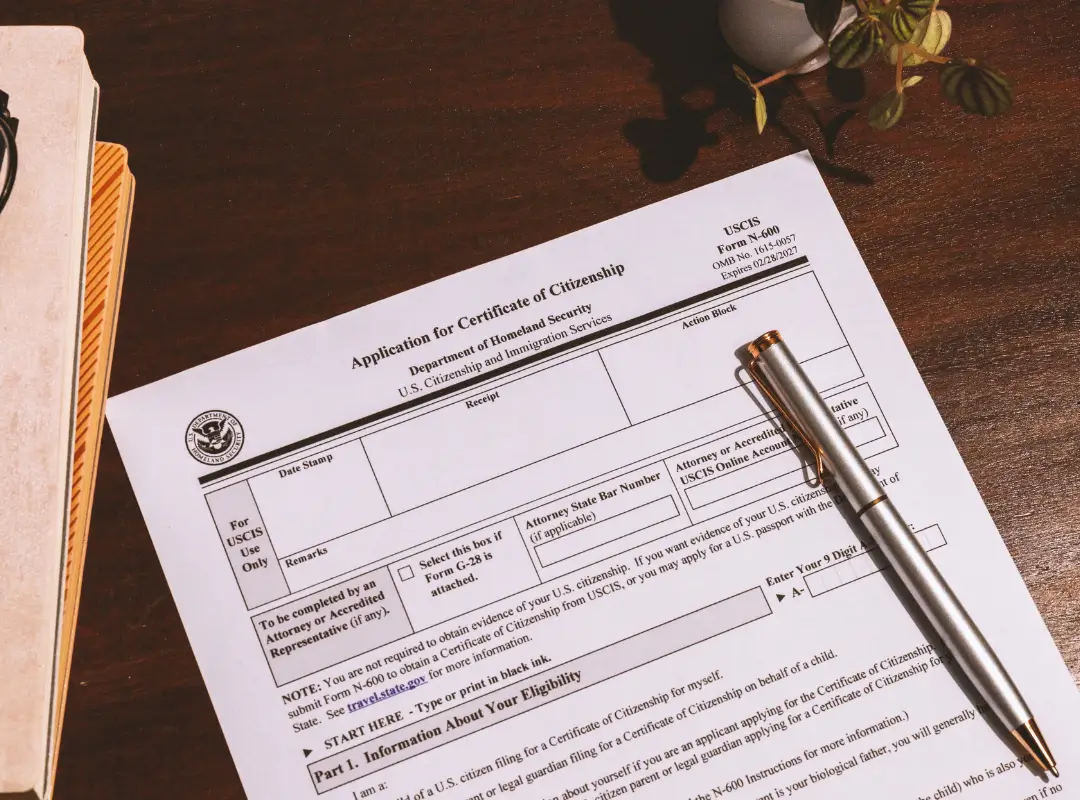
Is a Request for Evidence a Form of Rejection?
People often assume that an RFE is a rejection or denial, but that’s not necessarily true. It only means you may have overlooked some filing instructions or that your packet is missing evidence.
If you receive an RFE, it’s crucial to follow all instructions and adhere to the provided deadline. Consider the RFE an opportunity to provide the USCIS with more alternative evidence to prove your case and convince them to approve your application.
The RFE will tell you which documents they need before completing their assessment. Types of evidence you may need to submit in response to an RFE include:
- Your spouse’s birth certificate
- Copies of pages in your passport
- All pages of a bank statement
If you receive an RFE, the law office of Colavecchio and Colavecchio in Nashville, TN, is standing by to guide you through the process. We have years of experience in immigration law. To speak with an immigration attorney about your situation, call 615-242-3333 today.

How To Respond?
Submit a complete, well-organized RFE response with all requested and supporting evidence in one packet. A thorough response gives you the best chance of approval.

How To Avoid an RFE
Include all required forms and supporting documents with your initial application. Carefully follow USCIS instructions to reduce the risk of receiving an RFE.

Why Legal Guidance Matters
An immigration attorney can help prepare a complete, accurate response backed by strong evidence. Proper legal guidance may help prevent delays or denials.
Book Your Consultation
Frequently Asked Questions
1. Can I ignore an RFE?
No. Ignoring an RFE will likely result in USCIS denying your application. Submit all requested evidence before the deadline to keep your case moving and improve your approval chances.
2. What happens after responding?
After receiving your response, USCIS reviews the submitted evidence and determines whether it satisfies the request. The agency then continues processing your application and issues the appropriate decision.
3. Can I submit extra evidence?
Yes. Providing additional relevant supporting documents beyond the minimum requested may strengthen your case. Ensure every document directly relates to the issues identified in the USCIS request.
4. What if I miss deadlines?
Missing the RFE response deadline can lead to your application being denied. Respond within the timeframe listed on the notice to avoid unnecessary delays or negative outcomes.
5. Should I hire an immigration lawyer?
An immigration lawyer can help interpret the RFE, organize supporting evidence, prepare a complete response, and reduce mistakes that could negatively affect your immigration application.
