
Colavecchio & Colavecchio
The Importance of Documentation in Family-Based Immigration Interviews
- Competitive Prices
- High Success Rate
- Expert Lawyers
- Customer Centric
Book Your Consultation
We are Proud Members of the Following
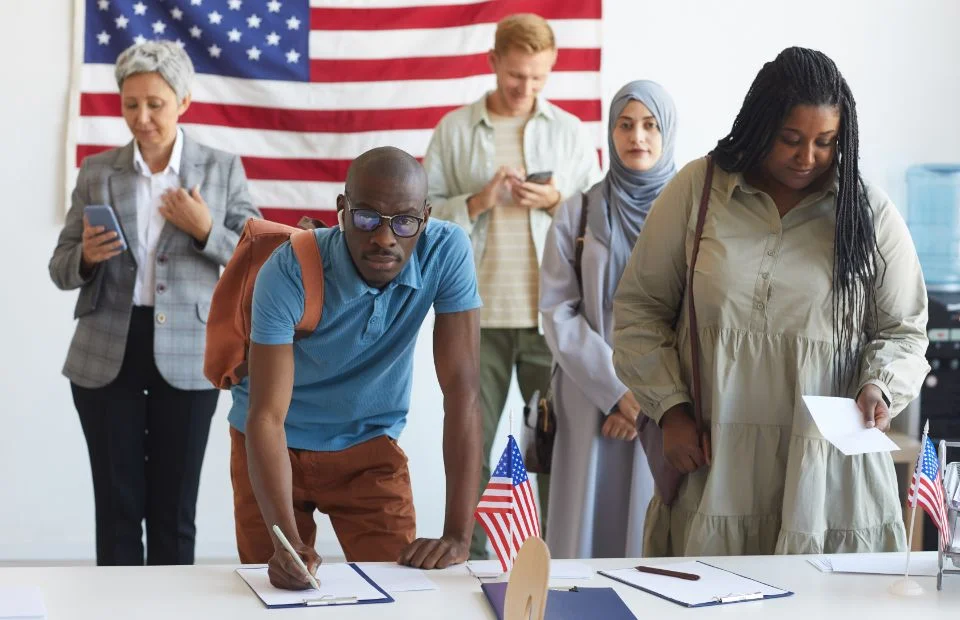
Documentation is central to a family-based immigration interview, since it’s used to confirm eligibility and the validity of the underlying relationship. Common evidence includes financial records, civil documents, and proof of a shared life, such as joint accounts or leases. An immigration attorney can help you identify which documents are needed and how to prepare them for an interview.
IMMIGRATION LAW
OFFICE HOURS
Mon: 9:00 AM - 3:30 PM
Tue: 9:00 AM - 3:30 PM
Wed: 9:00 AM - 3:30 PM
Thu: 9:00 AM - 3:30 PM
Fri: 9:00 AM - 3:30 PM
Sat: Closed
Sun: Closed
Family-Based Immigration Basics
Family immigration is a complex process that allows family members divided by geographic boundaries to be together. To make the journey work, several key players have distinct roles in the family-based immigration process: the National Visa Center (NVC), a consular officer, and a U.S. Embassy or Consulate.
The NVC acts as an advanced dispatch. After receiving your visa documents, they are sent to the appropriate U.S. embassy or consulate after the NVC evaluates them. The consular officer is ultimately the decision maker; this individual will interview you and submit the final determination regarding eligibility for a visa. Understanding how these pieces of the family-based immigration puzzle fit together is essential to completing the process.
The Role of Documentation
At its core, family-based Immigration is a paperwork exercise. It starts with submitting an I-130 petition, with relevant documents that include birth certificates, marriage certificates, and, when applicable, even death certificates.
What is the immigrant fee that every new prospective citizen must pay? That’s a matter of paperwork — specifically, mandated handiwork for the U.S. Citizenship and Immigration Services. Likewise, the supporting documents and original records furnished along with applications demonstrate bona fides and serve as legal evidence of your claims.
Types of Documentation Required
Throughout family-based Immigration, there is abundant documentation that one will have to obtain. One will need your birth certificate, birth certificates for all family members, marriage certificates for married spouses, or even a birth certificate for unmarried children.
An immigrant visa interview and a green card interview are a great part of coming to the United States through family-based Immigration. One must provide proper appointment letters or notices, court records, military records, etc.
The results are to provide full evidence that represents a relationship with the people in the United States. All documentation will play a major role in building your case while applying for your green card visa. Also, the most important one for permanent resident status will be your green card, where you will be successful and achieve all your goals.


Why Documentation Matters
An integral part of the family-based immigration process is providing the necessary information. It is essential because being able to provide information is what verifies what you claim and also approves your eligibility for an immigrant visa or a green card.
The real continuity of gathering the information proves that you are willing to put in the effort to go along with the immigration laws. Being able to provide the necessary information gives the consul officer physical evidence of your relationship with family members in the U.S. Using the information prodded means that the process should go along smoothly.
Suppose there is a problem because of missing or nonexistent information. In that case, your case will be delayed, and you will not receive your immigrant visa. So, realizing and comprehending the effective monetary worth of being able to provide necessary information is a vital part of a positive family-based journey.
Preparing for the Immigration Interview
Taking previous steps in the immigration process brings you to preparing for an immigrant visa or green card interview. That is to face a U.S. consular officer who will then analyze your authenticity and eligibility. Examining your application properly is essential for the interview process.
Make sure to check all supporting documentation and ensure everything is updated and true to your knowledge. Then, generate and learn how to answer potential interview questions regarding your U.S. family member so that you can explain your relationship thoroughly and convincingly. Also, attending your interview early and dressing well can benefit greatly.
In conclusion, following these guidelines will create less stress and better ensure a successful immigration interview.

Common Pitfalls to Avoid
You will navigate through challenges when you are called in for a family-based immigration interview; this is why you must avoid these known pitfalls to prevent any upsets throughout your case. One pitfall is turning in incorrect or incomplete documents that can cause your case to be delayed for long periods or even be denied.
Suppose you are unaware of the details of your supporting documents. In that case, if you have yet to properly prepare for what you will be asked in your interview by an attorney, or if you will be asked questions, this can be harmful.
If you do not tell the officer the truth or have not been open to your spouse, fiancée, or children, this may hinder you more than anything. In addition to all these pitfalls, you must be aware that if you do not show up for your interview when asked to do so, if you do not pay USCIS immigrant fees, or if you do not follow immigration laws.
Tips for Organizing Your Documentation
Family-based Immigration involves organizing your documentation to reduce the issues faced during the immigration journey drastically. It can be seen as a roadmap to your application. Your documentation should be organized logically right from the beginning. Start by logically categorizing all your documents.
Group similar documents, such as birth certificates, marriage certificates, or supporting evidence of your case. Consider making a list of all the documents that you will need. This list can include anything from appointment letters, original records, medical reports, and notarized papers.
Once you have all of your documents together, organize them in a manner that, when requested, you can find them easily. This can be done either chronologically or by each family member involved in your case. At this point, consider purchasing a heavy-duty folder or even a binder.
The folder or binder will be really cheap compared to an improperly organized file that gets denied or delayed. Also, it is a great idea to make copies after you organize your documents. One copy is fine for each original record. One set of copies is fine for the originals inside the organized folder.
Colavecchio & Colavecchio Law Immigration Interview Help
We have an understanding of how important a family-based immigration interview is to the lives of your family in the future, in the U.S., and to your ability to stay in the U.S. without any hesitation. You can be assured that our well-experienced team will be here to help you with every step of the immigration interview.
Colavecchio & Colavecchio Law Firm can help you prepare documents and be well-equipped to teach you how to approach the “interviewer” or person asking you all the questions, and be able to do so with skill. With our assistance, you will feel confident and ready to pass your immigration interview easily. Call us to set up a one-on-one session with our team to start your successful immigration journey.
Frequently Asked Questions
1. What happens if I'm missing a document at my interview?
The officer may allow additional time to submit it or issue a Request for Evidence with a deadline.
2. What documents are needed for a family-based immigration interview?
Common documents include the original petition approval notice, civil documents like marriage and birth certificates, and evidence of the relationship.
3. What counts as evidence of a genuine marriage?
Joint financial accounts, shared leases, photos, and affidavits from people familiar with the relationship are commonly used.
4. Do I need certified translations for foreign documents?
Yes, documents not in English generally require a certified translation submitted alongside the original.
5. How far in advance should I prepare my documents?
Starting document collection several months before the interview date helps avoid delays from missing records.

