

Conditional VS Permanent Green Cards | Types of Green Cards | Colavecchio & Colavecchio Law
Call (615) 242-3333
  • Responsive Header

    Colavecchio & Colavecchio

    Conditional VS Permanent Green Cards

    • Competitive Prices
    • High Success Rate
    • Expert Lawyers
    • Customer Centric

    Book Your Consultation

    We are Proud Members of the Following

    Aila | Colavecchio Law
    Logo | Colavecchio Law

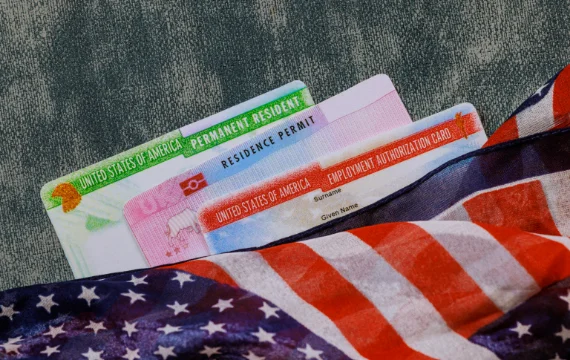
    The main difference between a conditional and permanent green card is the length of validity and the requirements attached to maintaining permanent resident status. A conditional green card is valid for two years and requires the holder to file Form I-751 to remove conditions, while a permanent green card is typically valid for 10 years and can be renewed without removing conditions. So, keep reading if you want clarity on which one may apply to your situation.
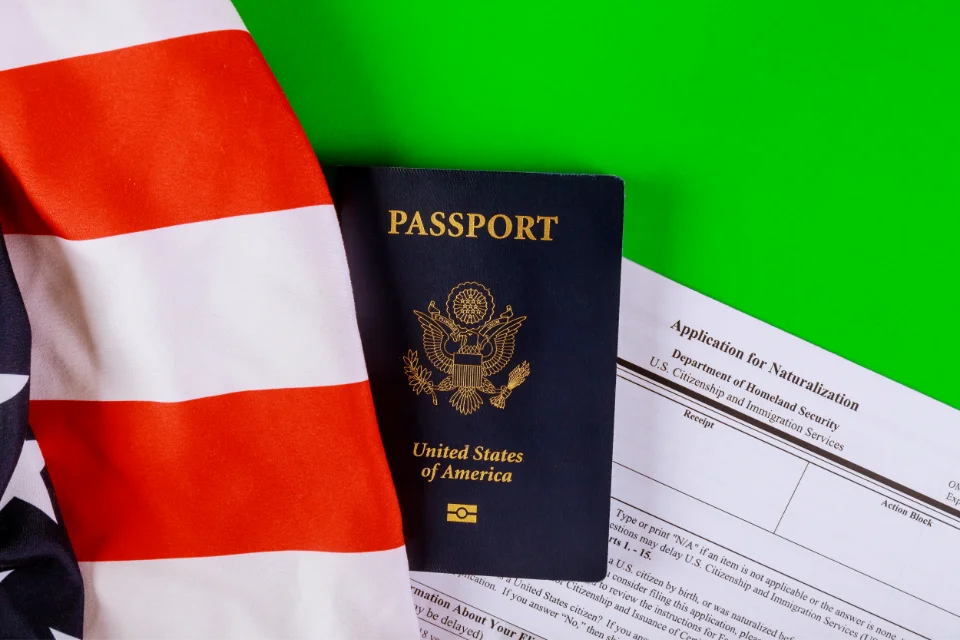
    Different types of green cards

    What Is a Conditional Green Card?

    A conditional green card is given to certain immigrants who meet specific eligibility criteria, but still need to prove the legitimacy of their status in the U.S. These cards are most commonly issued in two situations:

    • Marriage-based green cards when the marriage is less than two years old at the time of approval
    • Investor green cards where the applicant is still in the process of fulfilling investment requirements

    The main feature of a conditional green card is the two-year expiration. Before it expires, you must file a petition to remove conditions—typically within 90 days of the expiration date. If the U.S. government is satisfied that you’ve met the requirements (like proving the marriage is still valid or the investment is active), they’ll convert your status to permanent residency.

    What Is a Permanent Green Card?

    A permanent green card is what most people imagine when they think of permanent residency in the U.S. It’s valid for ten years and can be renewed indefinitely if you meet specific requirements, like not leaving the U.S. for extended periods and not breaking immigration laws.

    With a permanent green card, you’re considered a long-term resident. You’ll still need to renew the card every ten years, but you don’t need to prove your continued eligibility like you do with a conditional green card.

    The Expiration Date Tells a Bigger Story

    One of the easiest ways to identify whether someone has a conditional or permanent green card is by looking at the expiration date. Conditional green cards always expire precisely two years after being issued, while permanent green cards last for ten years.

    The expiration date is a deadline for conditional residents. If you don’t take action to remove the conditions in time, your status may be revoked, and you could be placed in removal proceedings.
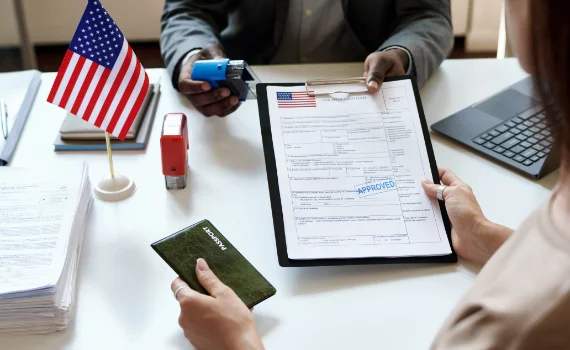
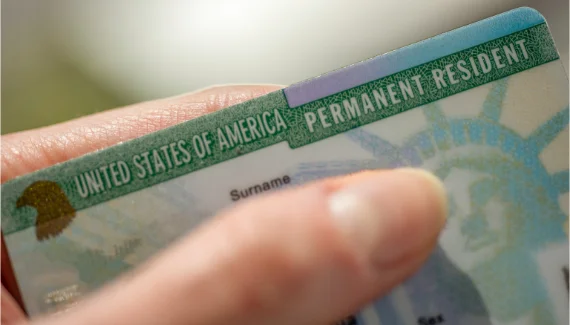
    Immigration laws for conditional marriage-based cases

    Proof of Relationship or Investment Is Key

    If you received a conditional green card through marriage, you must show the government that your marriage is genuine and not just for immigration purposes. This typically involves submitting:

    • Joint bank statements
    • Lease or mortgage agreements
    • Photos and travel history together
    • Birth certificates of children (if any)

    The goal is to show that your investment is still active and meeting job creation goals. It is called “conditional” because you are being granted a chance to prove that everything checks out before being allowed full, long-term residency.

    The Petition Process: Removing Conditions

    To transition from conditional to permanent resident status, you must file Form I-751 (for marriage-based cases) or Form I-829 (for EB-5 investors) during the 90-day window before your card expires.

    If you miss the filing window or fail to provide convincing evidence, your conditional status may end, and you could be required to leave the country. It’s a serious step that requires close attention to deadlines and paperwork.

    Green card obtaining services for married couples

    Permanent Residents Have More Stability

    With a permanent green card, you enjoy more peace of mind. There are no conditions to remove, no need to prove ongoing eligibility, and fewer interruptions in your daily life. You still need to update your green card, but the ten-year renewal is much simpler than the condition removal process.

    Additionally, permanent residents can usually apply for U.S. citizenship after five years of continuous residence (or three years if married to a U.S. citizen). Conditional residents must convert to permanent status before the citizenship clock starts ticking.

    What Happens If You Don’t Remove the Conditions?

    Failing to remove conditions on your green card is a serious immigration problem. If you don’t file the necessary petition within the allowed window, your status can be terminated automatically.

    There are some waivers available, especially in cases involving divorce or abuse, but it’s critical to act fast and seek legal help if you’re at risk of missing the deadline.
    Citizenship applications by Colavecchio & Colavecchio Law

    Conclusion: Know Your Green Card Status

    The journey to becoming a U.S. permanent resident comes with many steps, and it’s easy to overlook the differences between conditional and permanent green cards. But knowing your status—and what it means—can save you time, stress, and potential legal trouble. If you’re unsure about your current green card type or your next step, it’s always a good idea to speak with an immigration attorney. The more you understand, the better prepared you’ll be for a secure future in the United States.

    Call Colavecchio & Colavecchio Law for Quick Green Cards

    Colavecchio & Colavecchio Law stands tall as the trusted provider for green card services. We have a suitable application process for you if you are considering applying for green cards, whether individually or with your spouse. 

    We also specialize in adjustment of status, waivers of inadmissibility, and requests for evidence services. Consider us a one-stop shop for all your immigration needs. Contact us today to book your consultation with our immigration lawyers.

    Frequently Asked Questions

    1. Is a conditional green card the same as a green card?

    Yes, it is a type of green card, but it has conditions and is valid for only two years.

    2. How long does it take to get a permanent green card after a conditional green card?

    You must file Form I-751 before the conditional green card expires; processing times vary by USCIS workload.

    3. Is there a 3-year conditional green card?

    No, conditional green cards are generally valid for two years.

    4. How long can I stay outside the U.S. with a conditional green card?

    Short trips are generally allowed, but long absences may affect your permanent resident status.

    5. Can a conditional green card holder be deported?

    Yes, if they fail to maintain eligibility, violate immigration laws, or do not properly remove the conditions on their residence.

    Start typing and press Enter to search

    Shopping Cart
    Footer