
Colavecchio & Colavecchio
Consular Processing Explained
- Competitive Prices
- High Success Rate
- Expert Lawyers
- Customer Centric
Book Your Consultation
We are Proud Members of the Following
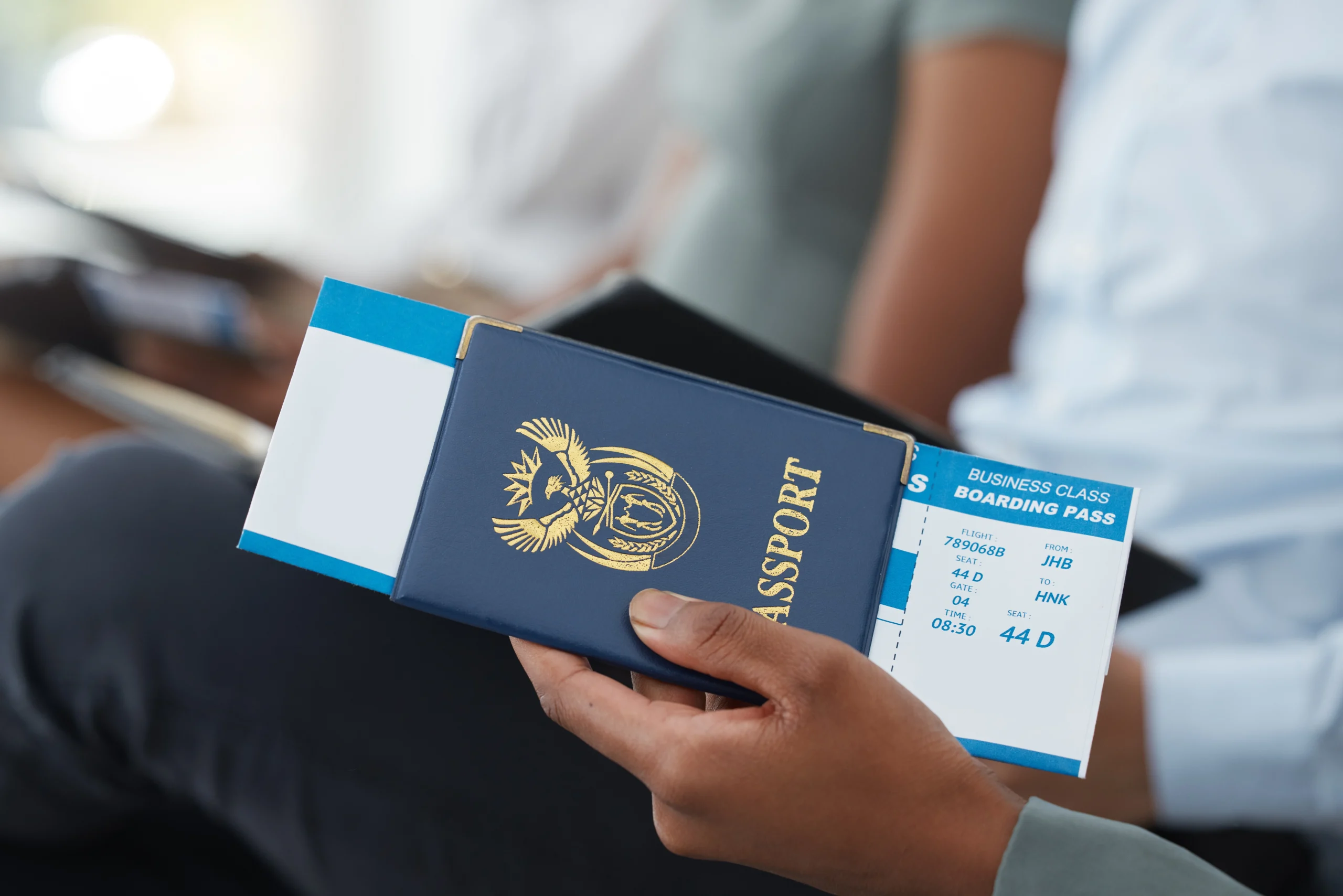
Consular processing is the path for immigrant visa applicants living outside the United States to complete their green card case through a U.S. embassy or U.S. consulate. It involves submitting documents to the National Visa Center, paying fees, and attending an interview abroad.
IMMIGRATION LAW
OFFICE HOURS
Mon: 9:00 AM - 3:30 PM
Tue: 9:00 AM - 3:30 PM
Wed: 9:00 AM - 3:30 PM
Thu: 9:00 AM - 3:30 PM
Fri: 9:00 AM - 3:30 PM
Sat: Closed
Sun: Closed
Petitioner Files Petition
Once USCIS approves a petition, it transfers it to the United States’ National Visa Center for processing. This helps relieve pressure off individual U.S. embassies and consulates by sending only complete cases for processing.
Once the NVC receives a visa petition for your family, a case is created in its system. It sends an electronic or mail Welcome Letter with all pertinent information, such as the case number, beneficiary ID number, and invoice number.
These numbers allow beneficiaries to log in to CEAC (Centralized Eligibility Application Center), an online tool for monitoring and managing application statuses. Beneficiaries must submit several forms and documents, including medical exams conducted by an approved doctor (immigrant visa processing fees may vary) and police certificates from every country where they’ve lived since age 16.
The NVC will ask beneficiaries to designate a representative; once all necessary forms and documents have been received, an interview will occur at either the consulate or the Embassy.
Beneficiary Submits Forms
Once a petition has been approved and an immigrant visa number assigned, the NVC will provide immigrant beneficiaries with forms to complete and submit. These forms will ask them for biographies, visa eligibility, security-related data, and civil documents like birth and marriage certificates.
As candidates may be asked questions at their interview about the information provided on forms, applicants must carefully consider all details they submit on them and offer in-depth responses that address any discrepancies in statements made on these forms.
At an interview, a consular officer will assess if an immigrant visa beneficiary meets all the criteria. If there are issues of legal validity or ineligibility identified during this process, their application could be denied, and there may not be an appeal process available.

NVC Schedules Consulate Interview Appointment
After USCIS verifies that all necessary forms and documents have been submitted, it will respond that the application is “documentarily complete.” At this point, NVC will schedule the interview.
The National Visa Center will send you an appointment letter with instructions on preparing for your interview with them. Depending on your circumstances, an expedited interview could be requested from an American consulate or Embassy nearby. Though this doesn’t guarantee a visa, it does put your case in fast-track processing and speed things along.
Assuming you qualify, NVC will schedule the interview as soon as a slot becomes available—generally six months before your priority date should become current. They also inform you about documents needing translation in English before sending them off for translation by a U.S. consulate or Embassy before their interview takes place.
They send updates to CEAC accounts whenever more information or an update about your case is required from you or if they need any updates on it themselves.
Beneficiary Undergoes Required Medical Examination
Once they receive an interview appointment letter from the National Visa Center (NVC), beneficiaries must undergo a medical examination at one of the hospitals listed on Form I-693 and record their results with a civil surgeon. Adjustment applicants who already had a physical in their country of residency may not require another exam in America.
Consular officers then conduct eligibility interviews, comparing an applicant’s background with USCIS requirements, reviewing the petitioner’s documents, and asking personal questions to assess whether their marriage is genuine and in good faith.
Officers will also perform a comprehensive background check that could jeopardize an immigrant’s admission. If any issues arise, they will send it for administrative processing or seek an SAO (Security Advisory Opinion) before informing the petitioner in writing of their decision.

Consular Officer Conducts Eligibility Interview
Consular officers meet with individuals under oath (swearing to tell the truth) and review forms and documents submitted for their visa applications. Interviews usually last just minutes for basic visitor visa applications, but more extended interviews with your family may be required if visa waiting lists have grown long.
At an interview, it’s essential that you speak clearly and make eye contact with the officer. Failing to do so could create a poor first impression of your character and honesty. Furthermore, being truthful with them will only result in their rejection of your application and future entry to the United States.
After your interview, a consular officer will approve or deny your application for entry to the United States. If approved, an immigration visa will be stamped into your passport so you and your family can travel together and begin adapting to life here.
Conclusion
Consular processing for non-immigrant or immigrant visas can be complex, but it becomes more manageable with the proper guidance and understanding. From the initial immigrant petition filing to the final consular interview, each step requires careful attention to detail, accuracy in documentation, and adherence to procedural requirements.
Contact Colavecchio & Colavecchio Law Office Now
Fulfill your future with expert immigration assistance. At Colavecchio & Colavecchio Law Office, we specialize in Green Card applications, Citizenship processes, and Provisional Waivers (I-601A). Let our experienced team guide you through every step of your journey. Contact us today to start making your American dream a reality.
Frequently Asked Questions
Here are some questions that our readers have asked us.
1. What documents are needed for consular processing?
Applicants generally need the DS-260 form, civil documents, a medical exam, and an Affidavit of Support.
2. What is the difference between consular processing and adjustment of status?
Consular processing applies to applicants outside the U.S. Adjustment of status, on the other hand, applies to those already inside the country.
3. How long does consular processing take?
Timelines vary by consulate location and visa category, often taking several months to over a year.
4. What happens at the consular interview?
A consular officer reviews the applicant’s documents, asks questions about eligibility, and determines whether to approve the immigrant visa.
5. Can a consular processing case be denied?
Yes, cases can be denied for reasons such as incomplete documentation, inadmissibility grounds, or failure to establish eligibility.

