
We are Proud Members of the Following

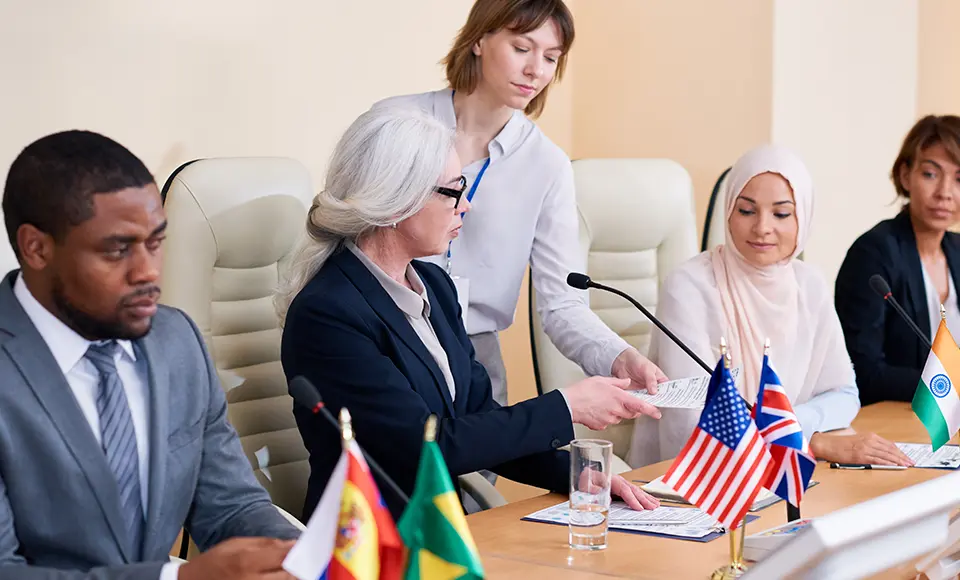
A visa officer verifies immediate relative status through the underlying petition, such as Form I-130, along with supporting civil documents, such as your birth or marriage certificates, submitted with the case. Consular and USCIS systems also cross-check records during processing. An immigration attorney can help make sure that the right documentation is submitted to confirm the relationship.
- Proof of having English language proficiency, such as TOEFL or IELTS scores
- Transcripts and diplomas from previous educational institutions
- A copy of your visa application and supporting documents
Ensuring that all documents are accurate, complete, and up-to-date is crucial. Incomplete or inaccurate documentation can lead to delays or even rejection of your visa application. Providing thorough and precise documentation helps demonstrate your eligibility and preparedness, which can positively influence the outcome of your application.

Common Mistakes to Avoid
When applying for a visa, it is essential to avoid common mistakes that can result in delays or rejection of your application. Here are some common mistakes to avoid:
- Incomplete or inaccurate documentation
- Failure to provide required documentation, such as proof of financial support
- Providing misleading or false information during the visa interview
- Failure to demonstrate strong ties to your home country
- Failure to provide a clear and concise explanation of your plans after completing your studies
To avoid these mistakes, it is important to carefully review the visa application requirements and make sure that all documentation is accurate and complete. It is also important to prepare thoroughly for the visa interview and answer questions truthfully and confidently. It is important that you always follow these steps to increase the chances of a successful application.
Frequently Asked Questions
1. How does a visa officer verify a relationship to a US citizen?
Officers review the approved petition, such as “Form I-130”, along with civil documents like your birth or your marriage certificates submitted as part of the case.
2. What documents prove an immediate relative relationship?
Marriage certificates, Birth certificates, and the petitioner’s proof of U.S. citizenship are the core documents used.
3. Can a visa officer ask questions during the interview to confirm the relationship?
Yes, officers may ask specific questions about your relationship to check consistency with submitted documents.
4. Do DNA tests ever come into play for relationship verification?
In rare cases where documentation is unavailable or insufficient, USCIS may request DNA testing to confirm a biological relationship.
5. Does the US visa officer have access to information about siblings?
Yes, the US visa officer may have access to information about your siblings as part of the visa application process. It’s important to provide accurate and truthful information about your family members when completing the visa application and during the interview.
6. What information is visible to US visa officers on their screen during the interview process?
The US visa officers may have access to the details provided in your visa application, including personal information, travel history, employment details, and information about family members. They use this information to verify the authenticity of your application and to assess your eligibility for the visa.
7. Should I disclose the presence of relatives during the US visa interview?
It’s important to be honest and transparent during the US visa interview. If you have relatives in the US, you should be prepared to provide relevant information about them if asked. Failing to disclose such information when required can negatively impact your visa application.
8. Is a visa always guaranteed for immediate relatives?
While immediate relatives of US citizens, such as spouses, parents, and unmarried children under the age of 21, are given priority for visas, the issuance of a visa is not guaranteed. Each visa application is evaluated on its own merits, and applicants must meet all eligibility requirements to be granted a visa.