
The Role of the Violence Against Women Act (VAWA) in Adjustment of Status | Colavecchio & Colavecchio
Call (615) 242-3333
  • Responsive Header

    Colavecchio & Colavecchio

    The Role of the Violence Against Women Act (VAWA) in Adjustment of Status

    • Competitive Prices
    • High Success Rate
    • Expert Lawyers
    • Customer Centric

    Book Your Consultation

    We are Proud Members of the Following
    Aila | Colavecchio Law
    Logo | Colavecchio Law

    The Violence Against Women Act (VAWA) has been significant for America in the response, control, and elimination of domestic violence and abuse. Many are no doubt indebted to this famous law enforcement act, which has helped millions, particularly women, who have suffered from psychological or physical abuse. The following passage will examine the role of the Violence Against Women Act (VAWA) in adjustment of status.
    The Vital Role of VAWA in the United States Immigration

    Introduction to VAWA and Adjustment of Status

    Domestic violence and gender-based abuse have their legal foundation in VAWA, which is the hallmark of all other legislation of the United States. Understanding the VAWA provisions is essential for domestic violence victims, sexual violence victims, dating violence victims, and those who suffer from extreme cruelty.

    However, in addition to promoting victims’ safety, VAWA is the legal means by which eligible individuals can change their immigration status. It provides pathways to legal permanent residency for victims and protects them from further victimization, ensuring their safety and security. Understanding the difference between conditional and permanent green cards is critical when evaluating how your immigration status will transition after your petition is approved. 

    This overview highlights the essential issues related to VAWA, the criteria to qualify for VAWA relief, and the procedures involved in adjusting the immigrant status, emphasizing issues that touch the lives of victims of domestic and sexual violence.

    Understanding the Violence Against Women Act (VAWA)

    The Violence Against Women Act is a federal law that recognizes the urgent necessity to deal with and counter domestic violence, rape, stalking, and other sorts of violence against women. VAWA was enacted in 1994. Since then, it has been renewed to expand its reach.

    The main purpose of the legislation is to prevent harm to wives and female children of US citizens or lawful permanent residents in the context of the marital relationship and family life. Sexual assault victims are also under the protection of this legislation. The essence of knowing about VAWA is to appreciate what it entails.

    These rights include the right to petition by themselves for immigration status leading to lawful permanent residency, which will allow them to live free from violence or any form of exploitation.

    Eligibility Criteria for VAWA Relief

    Individuals seeking VAWA relief must fulfill certain requirements. Such acts may involve instances of domestic and sexual violence, dating violence, and even severe brutality perpetrated by a lawfully admitted alien spouse or parent.

    VAWA considers violence as an open-ended phenomenon and, in that regard, is equally concerned about victims who are lawful permanent resident spouses of immigrants who have been abused. The people abused by American partners and victims are the other group of people, too.

    An eligible person may make a VAWA self-petition where she can pray for herself and request in her name for lawful permanent resident status without her abusive sponsor’s being involved. To strengthen your independent petition, learning how friends and family affidavits can support your case can help you gather essential corroborating evidence of your relationship and hardship. 

    These standards underpin VAWA relief, enabling the survivors of abuse to reclaim control of their existence and immigrant visa status.
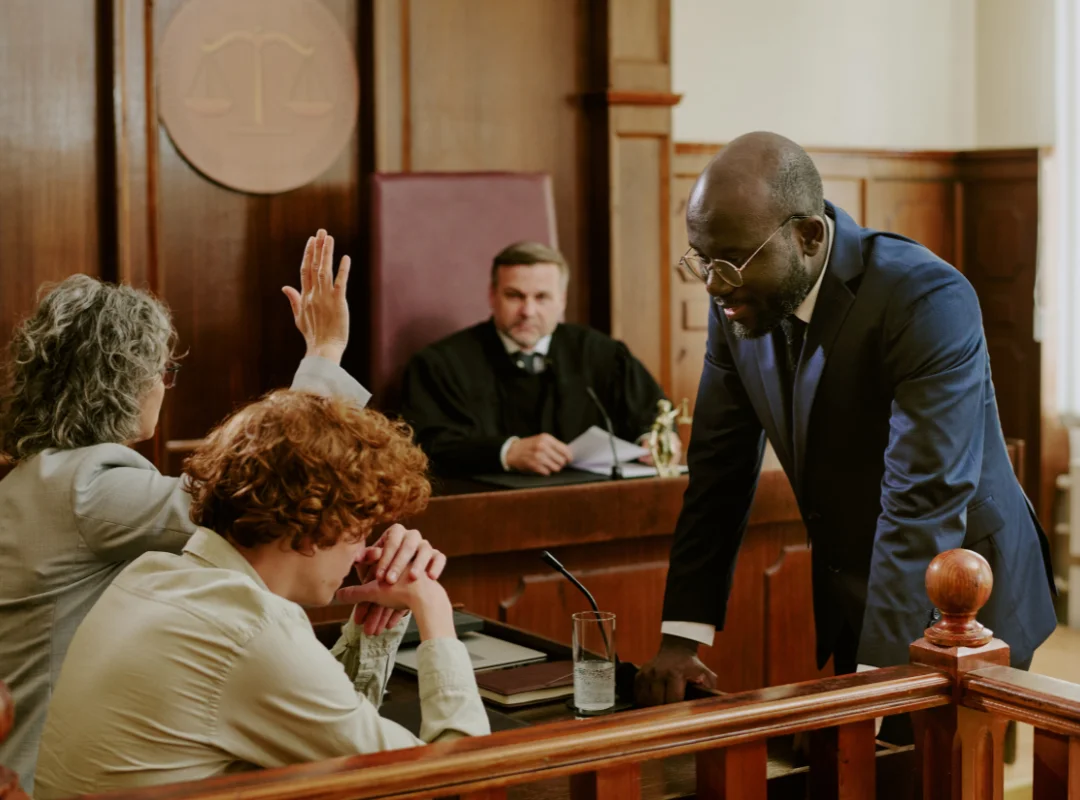

    VAWA's Empowering Influence on Survivors

    The Importance of Adjustment of Status

    This is very important as it influences the adjustment of status in the US. This is critical for people who intend to switch from one immigration category to another, especially from non-immigrant status to that of a citizen spouse or a lawful permanent resident.

    This critical stage of the migration process grants permanent residence and the right to work for a specified period. Adjustment of status for these immigrants is vital, as it helps them lay a firm foundation for a permanent, secure life in America and contributes to the rich American tapestry.

    Ensuring complete accuracy throughout this stage is essential, as simple administrative mistakes delay adjustment of status applications and prolong your wait for permanent relief.

    Understanding the VAWA Application Procedures

    How VAWA Impacts Adjustment of Status

    The VAWA has a major policy impact on the process of adjustment of status for victims of domestic violence, sexual crime, and any other form of abuse. The unique challenge that the victims face in an abusive relationship is recognized by the VAWA, which is a critical lifesaver.

    Survivors who meet the prescribed eligibility criteria may also self-petition for adjustment of their immigration status under VAWA. The unique aspect of VAWA allows them to determine the immigration status, thus making it possible for the abuse victims to exit the abusive cycle and resettle in the US. VAWA plays a significant role in adjustment of status, offering hope to people who are silent about their experiences.

    The Application Process for VAWA Adjustment

    The VAWA adjustment process is clearly defined, providing refuge and the opportunity to reside in America for those seeking the legal right to live permanently in the country. USCIS is where survivors eligible for this process must submit a VAWA self-petition to start the process.

    This is an exhaustive description of the abuse suffered by them and what happened between them and their abusers. Upon granting a waiver, individuals may take further steps to adjust their lawful permanent residence status, including completing additional forms, attending interviews, and fulfilling certain obligations. If you feel anxious about answering questions before an officer, reviewing strategies for handling language barriers in interviews can help you communicate clearly during your appointment. 

    Breaking away from such a cycle of violence can only be achieved by successfully navigating the VAWA adjustment application process, which will ultimately result in the award of lawful permanent resident status, offering hope and safety to such individuals.

    Common Challenges

    Survivors face many difficulties when it comes to addressing domestic violence through legal means. Commonly asked questions are centered on the legal recourses that can be adopted, the procedure for assistance, and comprehending his/her rights.

    These may include the fear of being punished by an abusive former spouse again, questions about one’s immigration status, and questions about whether or not the legal system is efficient. It is important to understand such issues and provide responses to common queries with regard to supporting survivors as they go through an unsafe world back to safety and recovery.
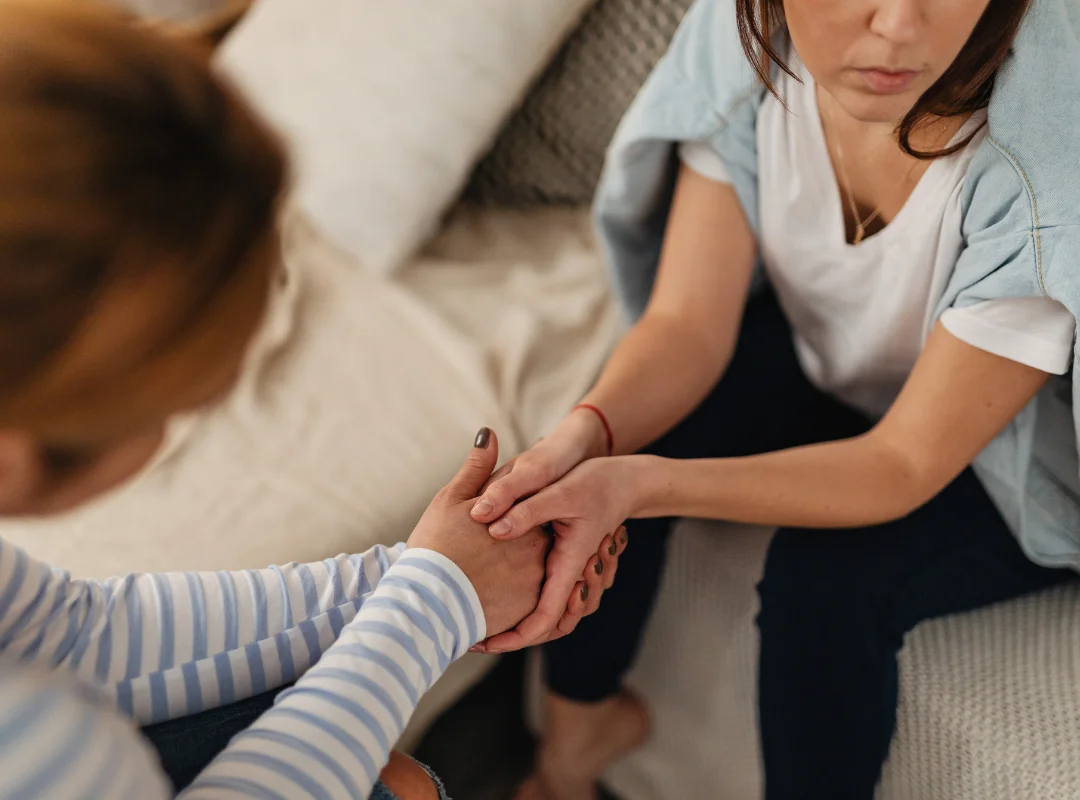
    Challenges faced in violence against women

    Legal Assistance and Resources For Domestic Violence

    Domestic violence victims should be provided with the means of obtaining legal assistance and services. Various authorities, as well as professional and voluntary organizations specializing in domestic violence cases, are very important in helping the victims maneuver through the complicated legal procedures.

    The attorney can help with filing for restraining orders, criminal charges against abusers, and VAWA relief. Furthermore, one can count on various support networks, shelters, and hotlines that can provide first-aid kits and resources without delay. Survivors need these important resources if they are to lead a fulfilling life devoid of pain and torture.

    Empowering Survivors At Colavecchio & Colavecchio Law

    Colavecchio & Colavecchio Law is fully devoted to assisting victims of violence against women to rise above their oppression. Our caring team of attorneys fully comprehends the hurdles that victims go through and can assist you as you pursue a safer future for yourself.

    A lot of our efforts have been targeted at ensuring survivors have equal rights and access to legal assistance and remedies. We are with you as you fight for justice and a violence-free life. Together, with them, we stand; we pledge support as we work together, demanding that justice be served to enable survivors to realize wellness.

    FAQs

    1. Who qualifies for VAWA?

    Abused spouses, children (under 21), or parents of U.S. citizens or permanent residents can self-petition.

    2. Does the abuser know?

    No. The entire process is strictly confidential, and USCIS will never contact or notify your abuser.

    3. Is physical abuse required?

    No. Extreme cruelty includes emotional, psychological, sexual, or economic abuse, as well as coercive control.

    4. Can men apply too?

    Yes. VAWA protections apply equally to all survivors regardless of gender, gender identity, or sexual orientation. Once your permanent residence is established and you meet your residency timeline, our complete N-400 guide can help you prepare for the final step toward naturalization.

    5. How much does it cost?

    There is no filing fee for the VAWA self-petition (Form I-360) or its related forms.

    Start typing and press Enter to search

    Shopping Cart
    Footer