


Colavecchio & Colavecchio
The Effect of Performing Military Service on the Citizenship Test
- Competitive Prices
- High Success Rate
- Expert Lawyers
- Customer Centric
Book Your Consultation
We are Proud Members of the Following

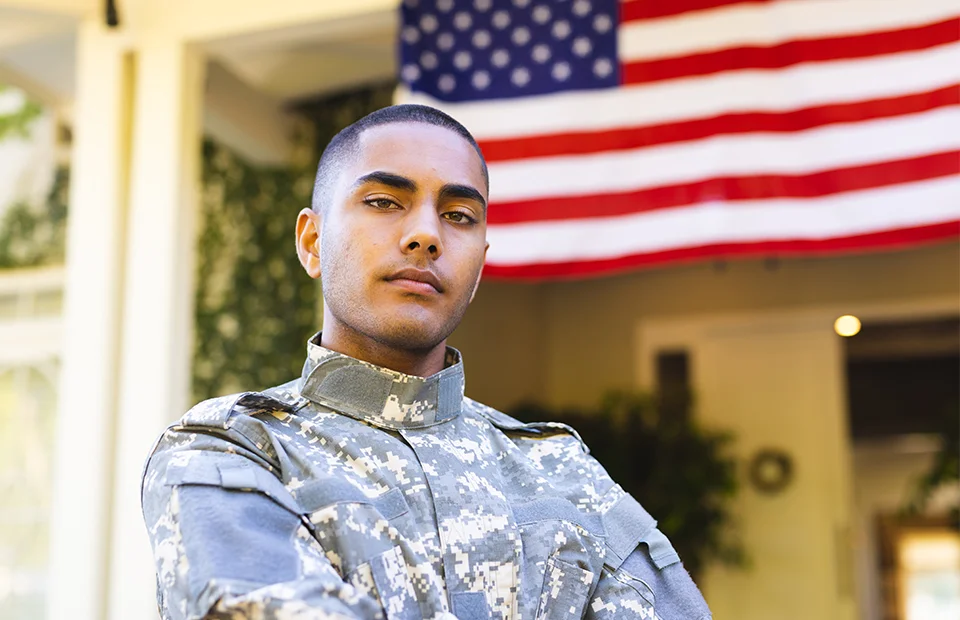
Military service can change certain naturalization requirements, including residency time and, in some cases, the civics and English test itself. Immigration attorneys help service members and veterans understand which exceptions apply to their N-400 application and prepare them for their citizenship interview accordingly. Let’s learn more about military service records and eligibility.
IMMIGRATION LAW
OFFICE HOURS
Mon: 9:00 AM - 3:30 PM
Tue: 9:00 AM - 3:30 PM
Wed: 9:00 AM - 3:30 PM
Thu: 9:00 AM - 3:30 PM
Fri: 9:00 AM - 3:30 PM
Sat: Closed
Sun: Closed
Military Service as a Citizenship Pathway
Enlisting in the military can serve as an alternative means for immigrants to obtain citizenship, offering a chance to expedite the N-400 naturalization process. Those who serve in the armed forces and their close relatives may enjoy accelerated access to citizenship. This special pathway creates a seamless link between dedication to national defense and the benefits of being a citizen, promoting the assimilation of family members into the community they protect.
Language and Cultural Integration
Engaging in military service can profoundly impact language and cultural integration for immigrants. Service members are exposed to immersive language environments and diverse communities within the armed forces, fostering a deeper understanding of the country’s culture and values.
This integration can significantly enhance the linguistic and cultural competencies required to pass the citizenship test, creating a more detailed experience of national identity.
Dual Commitment: Benefits & Challenges
Maintaining a harmonious equilibrium between fulfilling the responsibilities of being in the military and preparing for the citizenship examination offers distinct advantages and obstacles. Individuals within the armed forces aspire to obtain citizenship and exhibit remarkable perseverance in managing their obligations while studying for this crucial test.
Nonetheless, undertaking both endeavors simultaneously can induce mental stress and create a lack of available time. The distinctive circumstances faced by military personnel and their families underscore the intricacies intertwined within this pursuit of serving one’s country and attaining citizenship.

Exemptions & Special Provisions
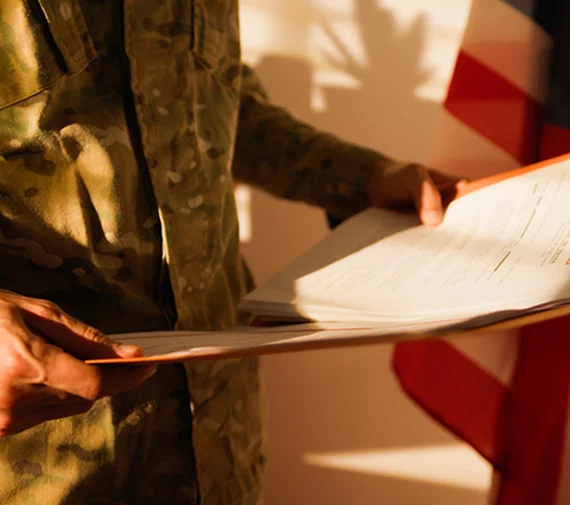
Exceptions and distinct provisions in the naturalization journey frequently accompany service as a path to citizenship. To acknowledge the sacrifices made by military personnel and their families, immigration services may grant specific waivers for certain prerequisites of the citizenship examination.
Such exemptions recognize the challenges those serving in the armed forces face, such as prolonged deployments or assignments abroad, enabling them and military family members to navigate the process of becoming a citizen with greater flexibility. These provisions highlight how service integrates into the wider concept of national identity and signify a commitment to supporting those who serve.
Psychological & Emotional Strain
Balancing the demands of military service and studying for the citizenship test can profoundly impact an individual’s psychological and emotional well-being. The dual responsibilities within the military installation and the pressures of preparing for the citizenship test often increase stress levels and emotional difficulties.
This unique journey, which involves service members serving the country and aspiring to become citizens, necessitates unwavering determination. As service members navigate these complexities while adhering to immigration status requirements, they exhibit incredible resilience in their quest for citizenship.

Influence on Civic Knowledge
Military service is a fertile ground for fostering an in-depth understanding of civic knowledge, a pivotal aspect of the citizenship test. The immersive exposure to government structures, the Department of Homeland Security, and the Defense Department on military installations provides military members with firsthand insights into the nation’s functioning.
Their experiences upholding the American flag, as military service members collaborating with diverse colleagues, and following regulations offer practical education in civic responsibilities. This unique vantage point often translates into a more profound grasp of civic concepts when faced with questions during the naturalization interview.
Case Studies: Balancing Service & Test Preparation
Real-life case studies bring to life the intricate dance of balancing military service and citizenship test preparation. These accounts provide enlightening glimpses into the challenges and triumphs faced by military personnel aiming to fulfill naturalization requirements while deployed at various installations around the globe.
Whether it’s Air Force members grappling with continuous residence rules or the Department of Defense and Finance employees juggling physical presence criteria, these anecdotes showcase the dedication and resilience needed to navigate both realms. Invaluable insights can be gleaned from these case studies, shedding light on how service members strategically manage their time between duties and studying for the citizenship test. Ultimately, they highlight the resourcefulness and commitment exhibited by those pursuing dual fulfillment.
Post-Service Integration & Citizenship Attainment
After completing their military service, individuals are confronted with a crucial phase in determining how well they integrate into society afterward. The experiences gained during their time in the military, such as acquiring language skills, exposure to different cultures, and gaining civic knowledge, can significantly assist in assimilating effectively into civilian life.
These qualities not only aid in passing the citizenship test but also play a role in becoming active and involved citizens. As members of the armed forces transition from active duty to civilian roles, their ability to utilize and apply what they have learned through their military experience towards the process of naturalization emphasizes the long-lasting impact of being part of the military on their journey toward obtaining full citizenship.
Policy Implications & Future Considerations
The convergence of military enlistment and the citizenship examination presents critical policy deliberations for government entities like the Department of Defense and Citizenship and Immigration Services. Assessing how to better assist military members and their families during the naturalization procedure can result in policy revisions acknowledging their distinct hurdles.
Possible considerations may involve widening access to resources, offering customized counseling, or simplifying administrative protocols. Investigating these policy ramifications possesses the capacity to augment the overall journey of service personnel seeking citizenship, promoting a more all-encompassing and streamlined trajectory.
Get Help at Colavecchio & Colavecchio
Colavecchio & Colavecchio Law Firm recognizes the complicated journey of military service and its correlation to the path toward citizenship. We understand that you may feel overwhelmed by the complexities involved in this process, but don’t worry, our team is here for you every step of the way. We also offer services including green card assistance, work authorization assistance, family reunion visa help, and more!
Contact us and let us guide you through legal depths and obstacles as we strive together to achieve your ultimate goal of obtaining full citizenship status. Your dedication and commitment to serving our nation deserve nothing less than expert support, which we offer at Colavecchio & Colavecchio.
Frequently Asked Questions
1. What form do military members use for citizenship?
Service members generally file Form N-400 along with Form N-426, which certifies honorable military service.
2. How does military service help with citizenship?
Military service can reduce or eliminate residency requirements, waive filing fees, and (in some cases) allow naturalization without ever having been a permanent resident.
3. Do veterans have to take the citizenship test?
Some veterans may qualify for exceptions to the English and civics test based on length of residency, age, or service-related disability. But most still complete some version of the naturalization process.
4. Can active duty military members apply for citizenship overseas?
Yes, service members stationed abroad can often complete their naturalization interview and oath ceremony at U.S. embassies or military installations overseas.
5. Is the citizenship test waived for disabled veterans?
Veterans with a service-connected disability may qualify for a medical waiver of the English and civics test requirements (by using Form N-648).

